 |  |  |
This project “Systemic Innovation to Transform Regional Nutrient Flows for Environmental, Economic and Social Benefits” is one of the five predefined sprint projects (Sprint 2) of the Oxford Agile Initiative funded through the UKRI/NERC Changing the Environment programme. This programme, hosted by the Oxford Martin School, aims to revolutionise how world-class, high-impact research supports environmental policymaking. The Department of Engineering Science (Eng Sci) and Environmental Change Institute (ECI) within University of Oxford are collaborating on the Sprint 2 project.
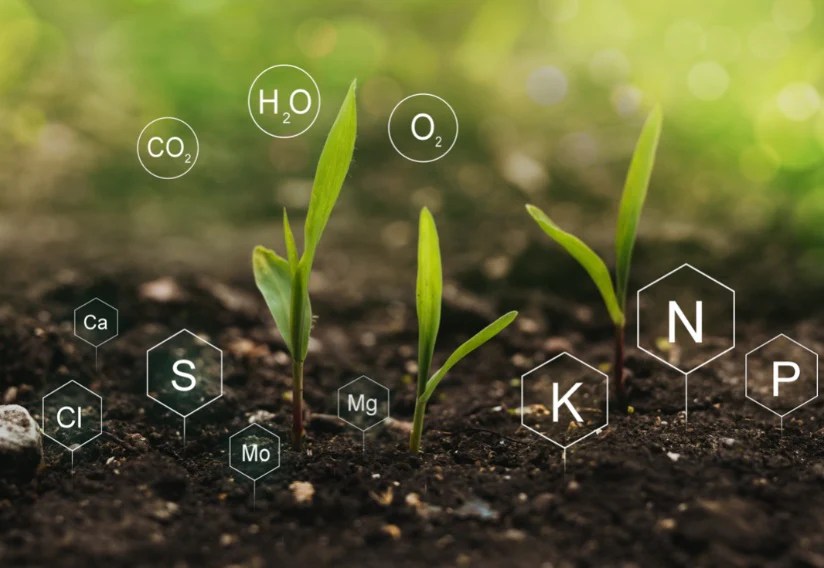
Nutrient flows are key elements in the UK’s bio-economy and bear significant environmental, social and economic importance in multiple areas, including securing food supply, restoring the aquatic environment, maintaining biodiversity and meeting Net-Zero. However, the linear and imbalanced nature of current nutrient flows create significant challenges. For example, urban centres concentrate nutrient elements imported from surrounding catchments, posing a substantial waste management problem for local authorities and municipal operators. Re-organising such nutrient flows requires them to be understood as a resource opportunity and managed differently as part of a circular economy concept. This needs to take place both within cities, through new value-added activities, and along the city-rural links as sustainable agricultural fertiliser solutions. However, concerted, systemic actions in this area are rare. At the regional level, our discussions with Leicestershire County Council (LCC), as a key partner representing local authorities show that there is now an urgent need to explore such opportunities, not least to respond effectively to recent and upcoming policies, particularly in anticipation of the mandatory weekly collection of food wastes (rising from the current 50% level) by 2023, as contained in the Environment Bill. Considering both food waste and other organic streams arising from a regional economy (e.g., green waste and biosolids), a key question from the local authorities and other stakeholders is:
- What technical systems and business development strategies should be adopted to meet the national requirements regarding organic waste management in a way that is environmentally benign and socially and economically positive?
- At the national level, the management of nutrient flows has been recognised by the Department for Environment, Food & Rural Affairs (Defra) as a unique challenge that cuts across its multiple policy areas, and a truly interdisciplinary evidence base is needed to answer this question: What information and strategies can and should cross between these areas to improve their alignment and maximise synergies?
Partners: Defra, Leicestershire County Council, Aqua Enviro, 3-Keel
Resources
Final report: Re-organising Nutrients Flows in Leicestershire
Website
Agile: https://www.agile-initiative.ox.ac.uk/
Sprint: https://www.agile-initiative.ox.ac.uk/sprints/can-we-turn-waste-into-fertiliser/
Team

Gallery

 Biorefinery and Resource Recovery Research Group